Limit Speed by GPS Location
VMS Speed IQ increases fleet safety and fuel efficiency while reducing operating costs up to 30% with GPS based top speed control.
VMS Speed IQ increases fleet safety and fuel efficiency while reducing operating costs up to 30% with GPS based top speed control.
Learn more about our customizable fleet hardware and software, intelligent speed assistance technology, the future of fleets, and more.
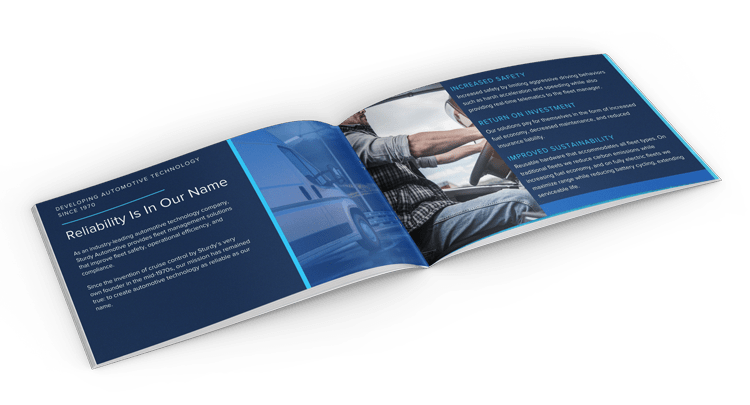

Sturdy VMS is a universal-fit fleet management solution that helps your fleet operate more safely, fuel efficiently, and with reduced maintenance requirements. This is achieved with industry forward technology, comprehensive features, and upgradeable options.
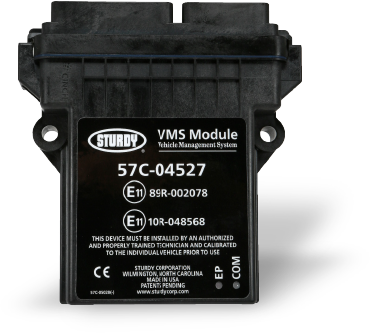

Upgrading to SpeedIQ brings the future of ISA to your fleet today. ISA or Intelligent Speed Assistance refers to active systems that constantly monitor the location of your vehicle and adjust its maximum allowable top speed.
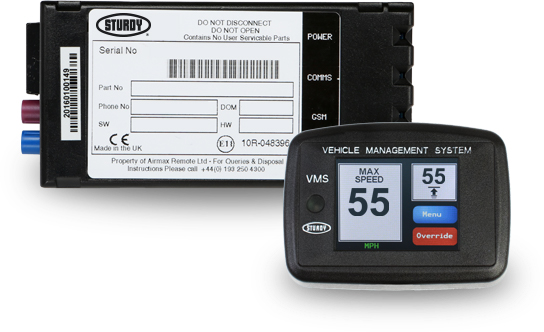
Sturdy VMS with SpeedIQ is designed to operate as a driver assistance system only. Control of the vehicle remains the sole responsibility of the driver who is subject to all legal requirements for operation of a motor vehicle on public roads. All reasonable effort is made to ensure that our speed limit data is accurate. However, vehicle operators should expect the accuracy of our speed limit data to decrease as the vehicle travels into residential, rural and less densely populated areas. All VMS and SpeedIQ specifications are subject to change without notice and Windows operating system is required for installation of VMS and SpeedIQ.


Real-Time Vehicle Tracking | Real-Time Vehicle Health | Driver Behavior Analysis
Increased Efficiency | Increased Compliance | Decreased Risk
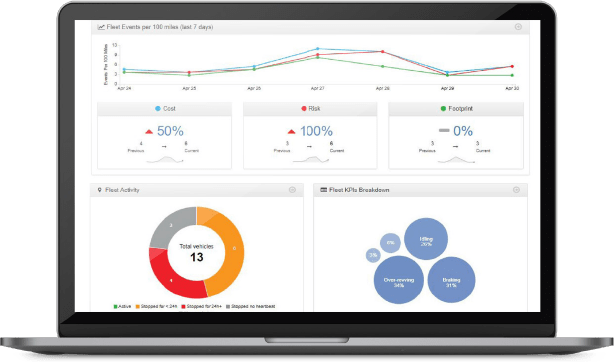
| Features | VMS | VMS with SpeedIQ | VMS with SpeedIQ & Sturdy Telematics |
|---|---|---|---|
| Fixed Speed Control | |||
| Reverse Speed Control | |||
| Acceleration Control | |||
| Variable Top Speed Control | |||
| Intelligent Speed Assistance | |||
| Over the Air Updates | |||
| Real Time Vehicle Tracking | |||
| Real Time Vehicle Health | |||
| Driver Behavior Analysis |
At Sturdy Automotive, we understand our customers and pride ourselves on designing products with safety, efficiency, and reliability in mind. Our products have provided gains in safety and fuel economy for countless customers over decades of operation. With more than 45 years of fleet management technology experience, we are experts at solving challenges that fleets face and improving your bottom line.


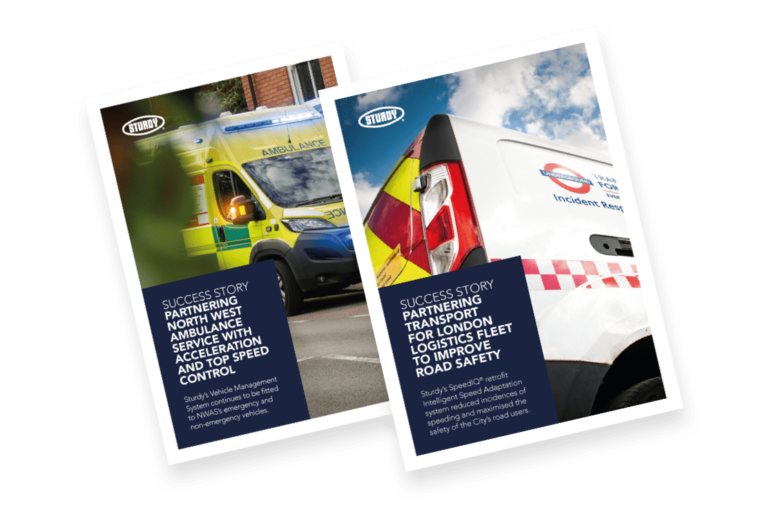
Sturdy’s VMS is changing the way North West Ambulance Service and Transport for London are keeping fleet drivers safe behind the wheel.
Use our fuel savings calculator to see how much you could save on your fleet in fuel costs.